How can a stroke kill a person?

How can a stroke kill a person?

Title: “Understanding the Silent Threat: Unraveling the Impact of Strokes with Dr. Shrey Jain, the Foremost Expert”


In the complex landscape of neurological health, strokes stand as silent but formidable adversaries. Dr. Shrey Jain, acknowledged as the best doctor for strokes, sheds light on the critical aspects of strokes and the potentially fatal consequences they can pose.


**The Anatomy of a Stroke:**


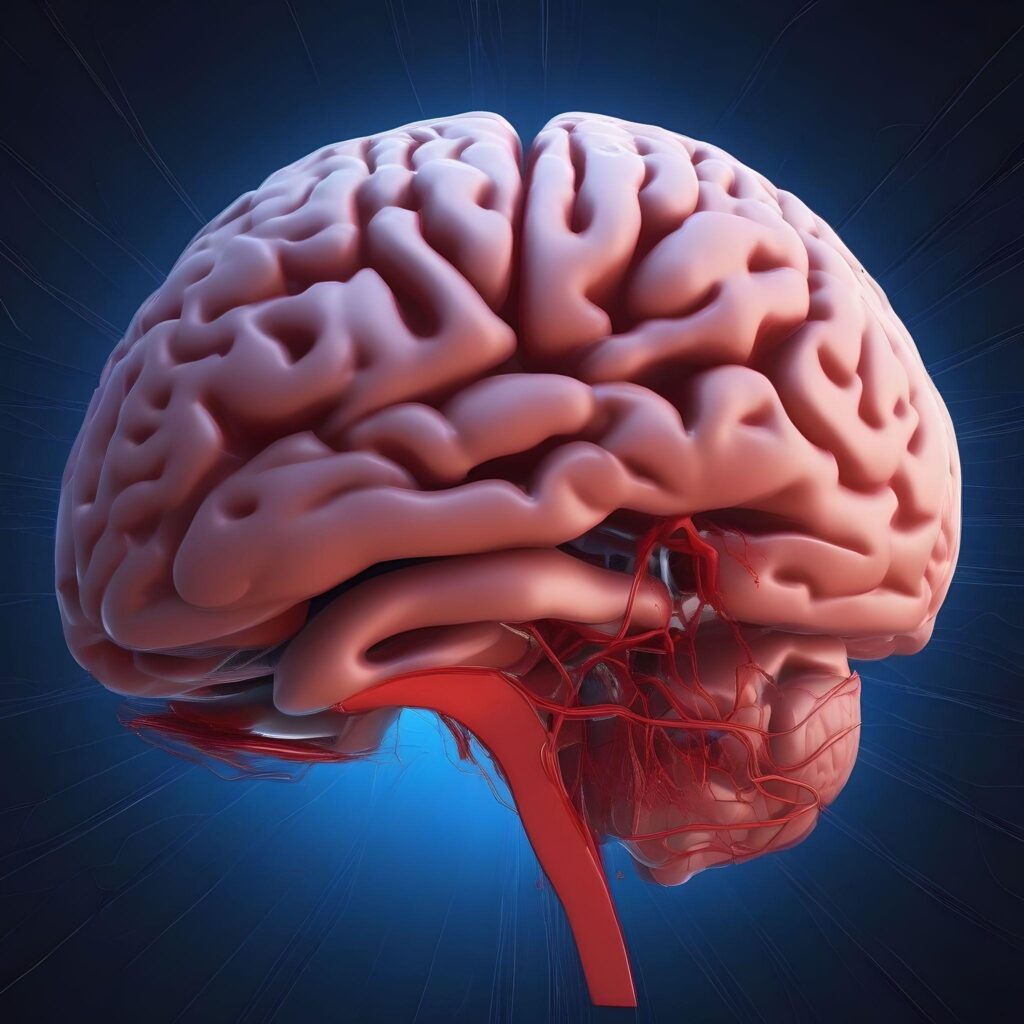
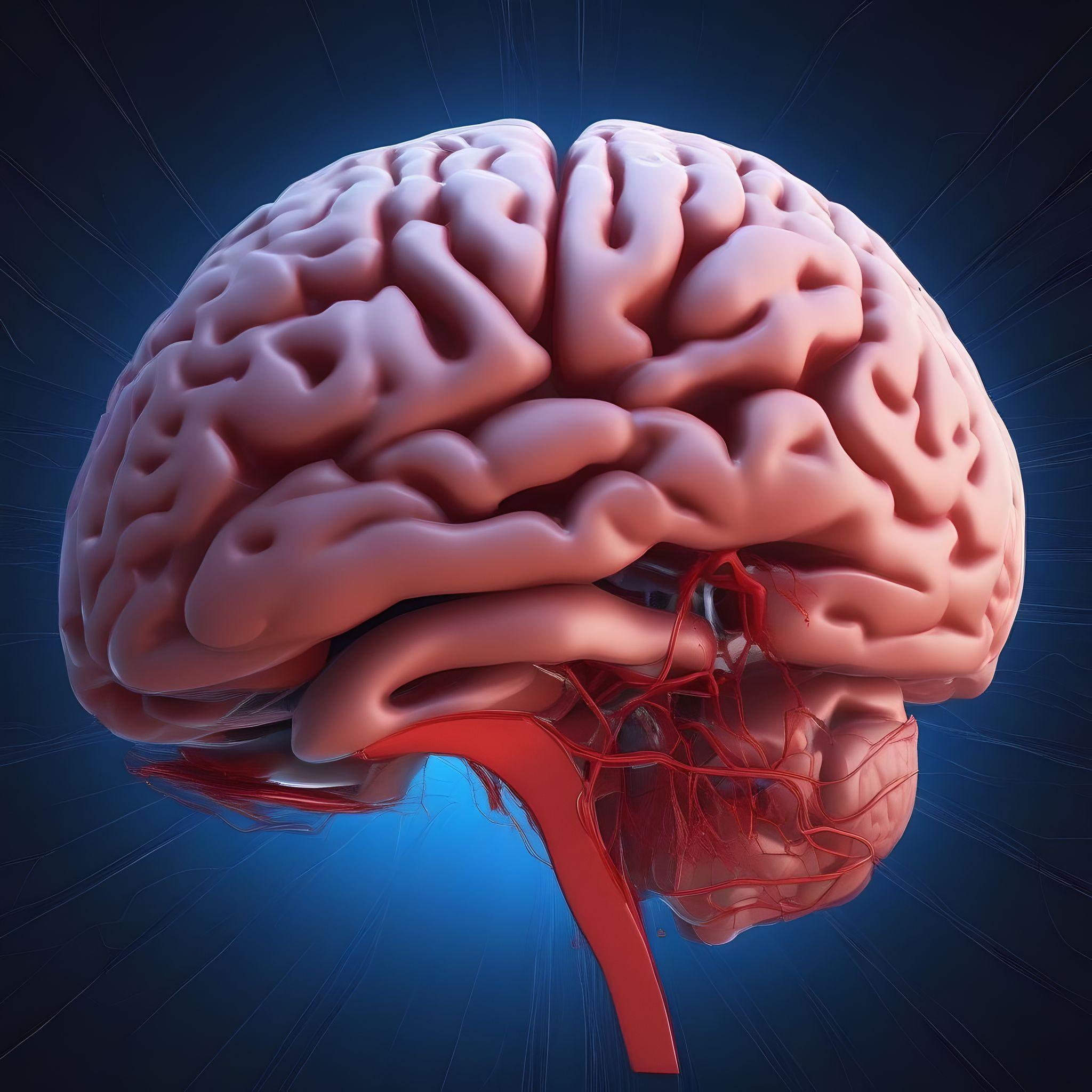
A stroke occurs when blood flow to the brain is disrupted, either due to a blockage (ischemic stroke) or bleeding (hemorrhagic stroke). Dr. Shrey Jain emphasizes the urgency of recognizing symptoms promptly to ensure swift medical intervention.


**The Potentially Fatal Consequences:**


1. **Brain Damage:**

   – The primary threat posed by strokes is the potential for irreversible brain damage. As the brain is deprived of oxygen and essential nutrients, cells begin to die, leading to compromised cognitive and motor functions.


2. **Paralysis and Disability:**

   – Depending on the affected area of the brain, strokes can result in paralysis or severe weakness in specific body parts. This can lead to disabilities that impact a person’s ability to perform everyday tasks.


3. **Cognitive Impairment:**

   – Strokes can affect cognitive functions, including memory, speech, and reasoning. Severe strokes may lead to long-term cognitive impairment or even dementia.


4. **Speech and Communication Difficulties:**

   – Strokes affecting language centers in the brain can lead to speech and communication difficulties, impairing the ability to express thoughts and understand language.


5. **Swallowing Complications:**

   – Strokes may disrupt the coordination of muscles involved in swallowing, leading to difficulties in eating and an increased risk of aspiration pneumonia.


6. **Emotional and Mental Health Impact:**

   – Strokes can significantly impact emotional and mental health, leading to depression, anxiety, and changes in personality.


**The Fatal Outcome:**


While not all strokes result in immediate fatality, the cumulative effects of severe strokes can contribute to life-threatening complications. Dr. Shrey Jain emphasizes that strokes can lead to conditions such as:


1. **Pulmonary Embolism:**

   – Immobility and compromised health following a stroke may increase the risk of blood clots, which can travel to the lungs, causing a pulmonary embolism.


2. **Cardiac Complications:**

   – Strokes can strain the heart, leading to complications such as heart attacks or arrhythmias, which may have fatal consequences.


3. **Secondary Infections:**

   – Individuals with weakened immune systems post-stroke may be susceptible to infections, which, if severe, can contribute to a fatal outcome.


**Prevention and Timely Intervention:**


Dr. Shrey Jain underscores the importance of stroke prevention through lifestyle modifications, managing risk factors, and seeking timely medical attention. Recognizing the warning signs and acting swiftly can significantly improve the chances of survival and reduce the long-term impact of strokes.


**Conclusion:**


In the realm of neurological health, strokes demand our utmost attention. Dr. Shrey Jain, as the best doctor for strokes, advocates for awareness, prevention, and swift intervention to mitigate the potentially fatal consequences of strokes. By understanding the silent threat strokes pose and prioritizing proactive healthcare measures, we can collectively work towards reducing the impact of strokes and ensuring a healthier future.

What are the symptoms of a slow brain bleed?

 The symptoms of a slow brain bleed is vital for timely intervention and optimal care. Leading specialists, like Dr. Shrey Jain, claw into these subtle pointers to educate and empower individualities about this critical neurological condition.Bra

 Symptoms of a Slow Brain Bleed

 1. Gradational Onset:  Unlike acute bleeds, habitual subdural hematomas parade gradational symptoms, frequently developing over weeks or months.

 2. Headache :  Symptoms may include patient headaches, confusion, dizziness, memory problems, or changes in gesture  

 .

 3. Weakness individualities might witness weakness or impassiveness, particularly on one side of the body.

 4. Difficulty Walking : Collaboration difficulties or unsteady gait can be conspicuous symptoms.

 Expert Care by Dr. Shrey Jain

Shrey Jain’s moxie in managing slow brain bleeds encompasses early opinion, precise treatment plans, and continual monitoring acclimatized to the specific symptoms and case’s condition.

 Empowering mindfulness

 Feting these subtle symptoms is pivotal for early discovery and timely intervention. Dr. Shrey Jain advocates for heightened mindfulness and seeks to educate individualities about these pointers, emphasizing the significance of seeking immediate medical attention upon noticing similar symptoms.

 Conclusion

 Symptoms of a slow brain bleed may present subtly, challenging heightened mindfulness for timely intervention. Dr. Shrey Jain’s commitment to educating and empowering individualities about these pointers ensures that early recognition leads to prompt medical attention and superior care for those affected by habitual subdural hematomas. Trust in Dr. Shrey Jain s moxie for expert guidance, accurate opinion, and substantiated care, icing optimal issues for individualities passing symptoms of a slow brain bleed.

What are the types of brain bleeds?

What are the types of brain bleeds?

Understanding Types of Brain Bleeds Expert perceptivity by Dr. Shrey Jain

 Brain bleeds, known as intracerebral hemorrhages, encompass colorful types, each posing unique challenges and taking technical care. Dr. Shrey Jain, Best doctor for Brain bleed a distinguished neurologist famed for his moxie in neurological conditions, sheds light on the types of brain bleeds and the unequaled care he provides for cases affected by this critical condition.                                                                                                                       


 Types of Brain Bleeds

 1. ** Intracerebral Hemorrhage (CH) ** This type occurs within the brain towel itself due to a rupture of small blood vessels, leading to bleeding and pressure buildup within the brain.

 2. ** Subarachnoid Hemorrhage (SAH) ** SAH occurs in the space between the brain and the cranium, frequently caused by the rupturing of an aneurysm or head injury.

 3. ** Subdural Hematoma (SDH) ** Performing from the collection of blood between the brain and its remotest covering, the dura mammy, SDH is generally due to head trauma.

 Expert Care by Dr. Shrey Jain Best doctor for Brain bleed

 Shrey Jain’s moxie in managing brain bleeds encompasses comprehensive diagnostics, substantiated treatment plans, and scrupulous monitoring acclimatized to the specific type and inflexibility of the condition.

 Compassionate Case- Centric Approach

 Jain’s approach prioritizes patient well- being and involves clear communication, compassionate care, and a commitment to icing the stylish possible issues for cases affected by brain bleeds

 Conclusion

 Brain bleeds encompass colorful types, each taking technical care and moxie. With Dr. Shrey Jain’s unequaled proficiency in neurology and a case- centric approach, individualities affected by brain bleeds admit comprehensive, compassionate, and expert care. Trust in Dr. Jain’s guidance and technical treatments for superior operation and recovery from brain bleeds, icing the stylish possible path to bettered neurological health and well- being.


Can heavy weight lifting cause a brain bleed?

Can heavy weight lifting cause a brain bleed?

The pursuit of physical fitness frequently involves rigorous exercises, including heavy weight lifting. Amidst this, enterprises arise about the implicit correlation between heavy weight lifting and brain bleeds.Dr. Shrey Jain, a distinguished figure in neurology, delves into this content, offering perceptivity and guidance regarding this perceived association. 


 Understanding the Relationship 


 Heavy weight lifting, characterized by violent physical exertion, can transiently increase blood pressure. This elevation in blood pressure may raise enterprises about the implicit threat of a brain bleed. still, it’s important to note that while heavy weight lifting temporarily raises blood pressure, the direct occasion of a brain bleed solely from this exertion is exceedingly rare. 


 The part of Pre-existing Conditions 


 individualities with pre-existing conditions like unbridled hypertension or aneurysms might be at a slightly advanced threat. In similar cases, violent physical exertion, including heavy weight lifting, could potentially complicate the threat of certain vascular conditions. 


 Expert Advice by Dr. Shrey Jain 


 Shrey Jain emphasizes that while heavy weight lifting may transiently elevate blood pressure, it does n’t directly cause brain bleeds in utmost individualities. still, individualities with underpinning health conditions should exercise caution and consult healthcare professionals before engaging in violent physical conditioning. 


 Promoting Safe Practices 


 Consultation with Healthcare Providers individualities with being health conditions should seek guidance from healthcare professionals before engaging in rigorous physical conditioning. 


 Gradational Progression It’s judicious to gradationally increase the intensity of exercises, allowing the body to acclimatize to heavier weights and minimizing unforeseen harpoons in blood pressure. 


 Monitoring and mindfulness Being apprehensive of one’s body and feting any unusual symptoms during or after heavy weight lifting is pivotal. Any patient discomfort or symptoms should prompt immediate medical attention. 


Conclusion 


 While heavy weight lifting might transiently elevate blood pressure, the direct occasion of a brain bleed is rare. Dr. Shrey Jain’s moxie underscores the significance of responsible exercise practices, especially for individualities with underpinning health conditions. Prioritizing discussion with healthcare providers, gradational progression, and keen tone- mindfulness during exercises promote a safe and healthy approach to physical fitness, mollifying enterprises about implicit health pitfalls.

What is it like to recover from a brain bleed?

What is it like to recover from a brain bleed?

Brain with text and stethoscope

A brain bleed, medically nominated as an intracerebral hemorrhage, is a critical condition that requires immediate medical attention and technical care.Dr. Shrey Jain, an prestigious figure in neurology, sheds light on the trip of recovery after a brain bleed, offering perceptivity and guidance to individualities and their families during this grueling period.

Understanding Recovery After a Brain Bleed

Recovery from a brain bleed is a multifaceted process that demands tolerance, adaptability, and expert care. The extent and speed of recovery vary grounded on factors similar as the inflexibility of the bleed, individual health, and promptitude of medical intervention.

original Stages of Recovery

Hospitalization and ferocious Care Cases generally start their recovery trip in a sanitarium setting, entering technical care in ferocious care units or neurology wards. Close monitoring and stabilization are pivotal during this phase.

Rehabilitation and Therapy As the case’s condition stabilizes, recuperation programs, including physical remedy, occupational remedy, and speech remedy, play a vital part in restoring function and relearning chops affected by the brain bleed.

Challenges and mileposts in Recovery

Physical Challenges individualities may witness weakness, bloodied movement, or collaboration issues. Physical remedy focuses on recovering strength, mobility, and balance.

Cognitive and Emotional Recovery Brain bleeds can impact cognitive capacities and emotional well- being. Rehabilitation includes strategies to address cognitive challenges and cerebral support to manage feelings.

Speech and Communication Speech remedy aids in prostrating language difficulties and communication hurdles performing from the brain bleed.

Support and Guidance byDr. Shrey Jain

Shrey Jain’s moxie in neurological care encompasses comprehensive support for individualities recovering from brain bleeds. His platoon offers substantiated care plans, recuperation strategies, and emotional support, icing holistic recovery and bettered quality of life.

The part of Family and Support System

During this trip, a strong support system, including family, musketeers, and healthcare professionals, plays a vital part. Their stimulant, understanding, and support greatly aid in the case’s recovery process.

Conclusion

Recovery from a brain bleed is a grueling yet hopeful trip. With expert guidance from professionals likeDr. Shrey Jain and a probative terrain, individualities can navigate this phase with adaptability, determination, and the pledge of gradational enhancement. Trust in the moxie and compassionate care handed by Dr. Jain and his platoon for a comprehensive and empowering recovery after a brain bleed. 

What is a brain bleed, and how does it differ from a stroke?

What is a brain bleed, and how does it differ from a stroke?

A Brain

Understanding Brain Bleeds and Strokes Exploring the Differences
As a society, we frequently hear about strokes and their enervating goods, but within this realm of neurological conditions, there exists another critical concern brain bleeds. These two conditions, though related, are distinct in their nature and bear different approaches for opinion and treatment.

What’s a Brain Bleed?
A brain bleed, medically known as a cerebral hemorrhage, occurs when there’s bleeding within the brain towel or the spaces girding the brain. This bleeding can be a result of colorful factors, similar as

Trauma A severe blow to the head can beget blood vessels to rupture, leading to bleeding within the brain.
Hypertension habitual high blood pressure can weaken blood vessel walls, making them prone to rupture.
Aneurysm A weakened area in a blood vessel wall that balloons and ultimately ruptures, causing bleeding.
Arteriovenous Contortion( AVM) A natural condition where abnormal connections between highways and modes can rupture and bleed.
How Does it Differ from a Stroke?
A stroke, on the other hand, refers to a unforeseen interruption in the blood force to the brain. This interruption can be due to two primary reasons

Ischemic Stroke This occurs when a blood clot or shrine buildup blocks an roadway supplying blood to the brain, leading to a lack of oxygen and nutrients to brain cells.

Hemorrhagic Stroke Unlike an ischemic stroke where a clot blocks the vessel, a hemorrhagic stroke results from the rupture of a blood vessel, causing bleeding in or around the brain.

While both brain bleeds and strokes involve bleeding within the brain, the crucial difference lies in their underpinning causes brain bleeds involve bleeding itself, while strokes encompass both bleeding and blockages in blood inflow.

opinion and Treatment
Diagnosing brain bleeds and strokes requires immediate medical attention and frequently involves imaging tests like CT reviews or MRIs to determine the extent and position of the bleeding or blockage.

Treatment approaches vary grounded on the type and inflexibility of the condition

Brain Bleeds operation involves controlling bleeding, reducing pressure in the brain, and addressing the underpinning cause, which may involve surgery to repair damaged blood vessels.

Strokes Ischemic strokes might be treated with clot- busting specifics or procedures to remove the clot. Hemorrhagic strokes may bear surgical intervention to stop the bleeding and form damaged blood vessels.

preventative Measures
Both brain bleeds and strokes share some preventative measures

Managing Blood Pressure Keeping blood pressure within a healthy range can significantly reduce the threat of both conditions.
Healthy Lifestyle Regular exercise, a balanced diet, limited alcohol input, and not smoking contribute to overall vascular health, reducing the threat of strokes and brain bleeds.
Medical Check- ups Regular health check- ups help in managing conditions like diabetes, high cholesterol, and heart conditions, which are threat factors for these neurological conditions.
In conclusion, while brain bleeds and strokes both involve critical issues within the brain, understanding their differences and seeking prompt medical attention is pivotal for effective operation and treatment. As always, consulting with a healthcare professional is essential for accurate opinion, treatment, and preventative measures acclimatized to individual health requirements.


What are the leading risk factors for having a stroke?

What are the leading risk factors for having a stroke?

A stroke, frequently regarded as a” brain attack,” can strike anyone at any age, leading to severe consequences. Dr. Shrey Jain, an recognized expert in neurology, sheds light on the leading threat factors associated with strokes, empowering individualities to fete and alleviate these pitfalls for a healthier, stroke-free life.

High Blood Pressure( Hypertension)
Elevated blood pressure stands as the primary threat factor for strokes.Dr. Shrey Jain emphasizes the significance of managing blood pressure through life changes and, if necessary, specifics, as it significantly reduces the liability of stroke.

Diabetes
individualities with diabetes face an increased threat of strokes.Dr. Jain emphasizes the need for active operation of blood sugar situations to alleviate this threat.

Smoking
Tobacco consumption significantly heightens the threat of stroke.Dr. Shrey Jain advocates for smoking conclusion as a vital step toward reducing stroke threat and perfecting overall health.

High Cholesterol
High situations of cholesterol contribute to shrine buildup in highways, adding the threat of blockages leading to stroke.Dr. Jain recommends a balanced diet and exercise authority to maintain healthy cholesterol situations.

rotundity and Physical Inactivity
Being fat and leading a sedentary life amplify the threat of stroke.Dr. Shrey Jain underscores the significance of regular physical exertion and healthy weight operation to lower this threat.

Atrial Fibrillation( Irregular twinkle)
individualities with atrial fibrillation face an increased threat of stroke due to blood clots forming in the heart.Dr. Jain advises proper medical operation to reduce this threat.

Family History and Age
While willful , a family history of stroke and advancing age are threat factors.Dr. Shrey Jain stresses the need for watchful monitoring and threat reduction strategies, especially for individualities with domestic tendencies or those in aged age classes.

Conclusion
Understanding and managing these leading threat factors for stroke are pivotal way toward forestallment.Dr. Shrey Jain, with moxie and fidelity, lawyers for visionary life changes, medical operation, and regular health check- ups to identify and address these pitfalls. By fostering mindfulness and promoting preventative measures,Dr. Jain aims to empower individualities to take charge of their health, reducing the threat of stroke and paving the way for a healthier future.